• Shower Cap
  • About
  • Contact
  • Privacy Policy
   
  • Shower Cap
  • About
  • Contact
  • Privacy Policy

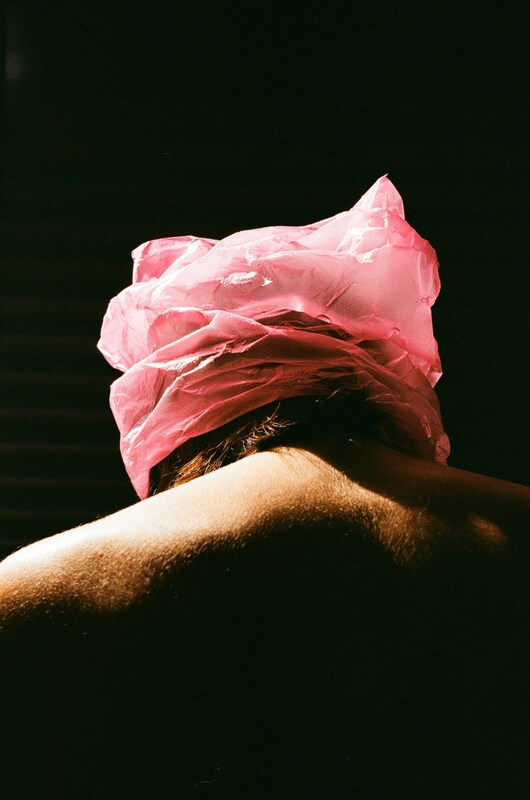
Shower Cap

 Primary Uses of a Shower Cap
  1. Hair Protection from Water
    • Keeps styled or dry hair from getting wet.
    • Useful between hair washes to preserve hairstyles or blowouts.
  2. Deep Conditioning or Hair Treatment
    • Traps heat and moisture during hair mask or oil treatments to enhance absorption.
  3. Hair Dye Processing
    • Keeps dye or bleach contained during coloring.
  4. Heat Activation
    • Some hair treatments work better with a warm environment—shower caps help create that.
  5. Steam Retention
    • Enhances the effect of steam treatments for curly or damaged hair.
Materials Used
  1. Plastic (PEVA, PVC, EVA, or Polyethylene)
    • Most common material.
    • Waterproof, affordable, and disposable or reusable.
  2. Nylon or Polyester with Waterproof Coating
    • Often lined or double-layered.
    • More breathable than plastic.
  3. Silicone
    • Durable and stretchable.
    • Hypoallergenic and reusable.
  4. Terry Cloth Lining (inside layer)
    • For added comfort and absorbency.
    • Often found in high-end or reusable caps.
Picture
Types of Shower Caps
  1. Disposable Shower Caps
    • Single-use.
    • Lightweight and compact.
    • Ideal for travel or one-time use (e.g., hotels, spas).
  2. Reusable Shower Caps
    • Made from durable materials.
    • Can last for months or even years with proper care.
  3. Elastic-Free or Adjustable Caps
    • May use drawstrings or adjustable bands instead of traditional elastic.
 How to Clean a Shower Cap For reusable caps:
  • Plastic or Silicone Caps:
    • Wipe with a damp cloth and mild soap.
    • Let air dry completely before storing.
  • Cloth-lined Caps:
    • Hand wash or machine wash on a gentle cycle (check the care label).
    • Air dry; avoid tumble dryers unless specified.
Tip: Clean weekly to prevent mildew or odor buildup.

​Lesser-Known Uses
  1. Shoe Covers
    • Slip over shoes in a suitcase to keep clothes clean.
  2. Food Bowl Covers
    • Temporary cover for dishes or leftovers in the fridge.
  3. Travel Organizer
    • Holds small items or toiletries.
  4. Paint or Dust Protection
    • Covers for doorknobs, smoke detectors, or other items during Shower Cap renovations.

Picture
Picture

.Double-Capping for Maximum Protection
If you're doing a heavy treatment (like hot oil or deep conditioning), use a plastic cap underneath and a fabric-lined one on top. The heat retention and barrier are both improved.
2. Use in the Sauna or Steam Room
Wearing a shower cap in a steam room can help keep your hair from absorbing too much moisture, which is particularly useful if you have relaxed or color-treated hair.
3. Frizz Control Technique
Wrap hair in a silk or satin scarf, then put on the cap. This reduces direct contact between hair and plastic, helping prevent frizz and breakage from static.
4. Sleep-Time Steam Treatment
Apply a light leave-in conditioner, wear a shower cap overnight (optionally over a warm towel), and wake up with super-soft hair. Be cautious with this if you have a sensitive scalp, though.


​1. Heat-Activated Shower Caps
Some advanced caps are made with thermal materials that help heat penetrate treatments more efficiently.
2. Scented Shower Caps
Infused with subtle essential oils like lavender or eucalyptus for a spa-like experience.
3. Reusable, Eco-Friendly Materials
Biodegradable or recycled materials like cornstarch bioplastics, natural rubber, or recycled polyester are now used in sustainable shower cap designs.
4. Anti-Microbial Linings
​
Some shower caps are now made with silver-infused or bamboo-based linings to resist bacterial and mold growth.

.
  • Shower Cap
  • About
  • Contact
  • Privacy Policy